AIImpact Awards 2026 Meet the Finalists
We’re delighted to present the 36 finalists for the 2026 AI Impact Awards. Across 12 categories, our judges have shortlisted three outstanding finalists in each, recognising organisations, teams and individuals delivering responsible, measurable impact through AI.
Explore the categories below to read about each finalist’s work and achievements, then cast your vote for your favourites and help us celebrate the very best of AI Impact across the UK.
Public Services Categories
AI for Central Government Transformation
About the entry
Defra’s mission is to support sustainable farming through streamlined services, yet farmers often face a "not ideal" journey navigating conflicting, outdated information or paying land agents for support. Defra and Transform’s rainbow team experimented with AI to improve farmers’ experience while avoiding the negative environmental impact of energy-intensive models, aiming for a Net Positive outcome for people, planet, and the public purse.
In only six weeks, we mapped farmers’ journey and RPA call handlers to identify where AI could most improve the experience. We built a graph database and leveraged semantic search and LLMs to deliver a live Agentic PoC. This allows farmers to use natural language to find grants based on land characteristics, ensuring compatibility with existing funding.
To protect the planet and the pocket, we combined Defra’s AI sustainability guidelines with Transform’s Net Positive assessment framework. We made sustainable decisions on model choice and infrastructure to reduce tokens and minimise compute. This project received great engagement in 2025’s Digital Leaders AI Week.
The impact is significant: scaling to 20,000 farmers could save £900,000 and 330,720kg of CO2e – an equivalent to 1,322 short-haul flights, proving that lean teams can move at pace to create swift, green value.

About the entry
MoJ delivered the second annual AI Digital Professions Conference from 26–30 January 2026—a free, cross government virtual learning event showcasing how AI is reshaping digital roles across government by providing attendees with actionable insights and practical strategies that they can apply directly into their work.
Across 15 sessions led by the MoJ, OGDs, the wider public sector, and the private sector, the conference attracted over 7,400 attendees, including more than 4,000 who joined live. Sessions were highly rated for their relevance, clarity, and applicability to digital professionals working in government.
This work provides a scalable, cost-efficient mechanism for enabling systemic transformation. The MoJ delivered approximately 7400+ hours of high-quality AI training—at virtually no cost. If purchased via external providers this could cost anywhere between £1-2.5 million. The event allowed colleagues to share their learning around AI in the open. It aligns with the government’s objective to find efficiencies by upskilling civil servants to better utilise AI in their day jobs, allowing them to focus time and effort on what drives value.
Now proven for a second consecutive year, the model is repeatable and ready for other departments to get involved, supporting government wide efficiency and capability growth.
About the entry
The Insolvency Service has moved beyond disconnected AI pilots to a swept-up, organisation-wide AI transformation delivering multiple production use cases in parallel, at pace, and with measurable impact. Using the Great Wave AI platform, it is systematically addressing a backlog of high-value opportunities, with each use case underpinned by a focused business case to ensure clear outcomes and sustainability.
Operational delivery is already producing material gains. A GenAI agent supporting case workers provides on-demand procedural guidance and scenario-specific advice, reducing the time to find correct operational guidance by 56%. This accelerates case resolution, reduces reliance on central support teams, and shortens training and onboarding. In HR, a policy-aware GenAI agent handles complex queries on leave, onboarding, and policy interpretation, reducing HR workload by 42% and improving employee task satisfaction from 6.6/10 to 8.1/10.
Citizen services are being transformed through a customer-facing GenAI agent supporting call centre and digital teams, cutting response times to routine queries by 74% while improving accuracy and consistency. Legal and investigative functions benefit from AI that converts investigation bundles into structured outputs: court-ready timelines are generated automatically, and MG1 forms are produced from source documents, saving an average of 9 person-days per investigation.
AI for Local Government & Community Services

About the entry
Faced with rising demand and financial pressures, Peterborough City Council delivered a pioneering digital transformation programme in Adult Social Care, embedding technology and AI to empower its workforce and improve lives.
The programme introduced predictive analytics, shared care records, and assistive technology to support independence. AI has been central to this journey. Hey Geraldine, an AI assistant built on the expertise of a veteran therapy practitioner, provides instant guidance on technology-enabled care, eliminating delays and supporting faster hospital discharges. Magic Notes streamlined case recording by transcribing conversations into structured notes, freeing practitioners from admin and enabling more time for meaningful engagement.
Crucially, this transformation has been achieved despite the constraints of operating within a small unitary authority with limited resources, highlighting the team's determination, creativity, and commitment to improving outcomes.
The impact has been significant: a 41% increase in planned reviews, a 33% reduction in crisis interventions, and improved staff confidence in digital tools. These changes have enhanced resilience and improved wellbeing for residents.
This work demonstrates how human-centred AI can transform public services—delivering efficiency, sustainability, and better outcomes for people who draw on care and support. Peterborough has led the way for digital innovation for Adult Social Care.

About the entry
Westminster City Council has transformed its contact centre using AI to improve resident experience, colleague wellbeing and operational resilience at scale. The programme replaced legacy systems with a modern, AI-enabled digital contact-centre platform designed around inclusive, end-to-end customer journeys.
AI is embedded throughout the operation. Live transcription and AI summarisation support advisors in real time, reducing after-call work and improving accuracy and consistency of records. Next-best-action prompts and AI-driven knowledge ensure residents receive clearer, more confident responses—particularly for complex or vulnerable cases.
The transformation has delivered tangible outcomes: significant reductions in handling time, improved first-contact resolution, faster onboarding for new staff and increased advisor confidence. Residents benefit from shorter wait times, clearer explanations and more consistent outcomes across channels. Channels of choice now include voice, email, chat-bot, whats app, sms and live chat.
Crucially, the programme has strengthened resilience following a major cyber incident, accelerating recovery while maintaining service continuity for residents who rely on the council most. In test we have live language translation, video calling, AI quality agent to review 100% of calls against agreed standards, replacing partial manual sampling and enabling faster, fairer coaching and continuous improvement.
AI has been deployed responsibly, with strong governance, transparency and human oversight. By augmenting—not replacing—colleagues, Westminster has shown how AI can improve equity, quality and trust in public services, delivering meaningful social impact through a modern, people-centred contact centre.

About the entry
Southwark’s AI PDF Importer is a practical, people focused solution to a long standing problem in local government: PDFs that take hours to convert, aren’t accessible, and slow teams down.
Working with Chicken and the LocalGov Drupal community, we’ve built a tool that turns static documents into clean, structured HTML in minutes. It’s fast, consistent, and finally removes the grind of manually copying and pasting content, a task our teams were spending far too much time on.
The importer uses a flexible AI powered pipeline to extract, transform and export content, producing accessible web pages. This shift isn’t just technical; it’s cultural. It frees staff to focus on meaningful work, improves the accessibility of our information, and supports our wider user experience goals.
Crucially, we built this in the open. Other councils can reuse and adapt it, helping raise the baseline for accessible publishing across local government. For us, this project isn’t about AI for its own sake, it’s about removing barriers, designing responsibly, and creating the conditions for better public services.
AI in Health and Social Care

About the entry
C the Signs is an AI-powered clinical decision support platform designed to enable earlier detection of cancer in primary care.
Developed in response to the persistent challenge of late cancer diagnosis — one of the leading contributors to poor outcomes — the platform supports clinicians in identifying cancer risk earlier, optimising referral pathways, and reducing unwarranted variation in care.
Now widely adopted across the NHS, C the Signs has supported the early identification of thousands of cancers. Its deployment has delivered measurable improvements in survival outcomes, system efficiency, and patient experience, demonstrating how artificial intelligence can be integrated effectively into real-world clinical practice.
The platform has been built with a strong emphasis on clinical validation, governance, transparency, and ethical AI deployment.
Designed to augment rather than replace clinical judgement, C the Signs ensures that technology enhances decision-making while maintaining patient safety and trust at its core.
In addition to product implementation, the leadership behind C the Signs contributes actively to national and international conversations around digital health and AI policy, championing responsible innovation and equitable access to healthcare technology.
The impact of C the Signs represents a leading example of applied, evidence-based AI delivering tangible benefits across healthcare systems.

About the entry
Sunderland GP Alliance (SGPA) tackled clinician burnout and administrative burden by piloting Heidi, an AI-powered ambient scribe. Following rigorous market evaluation, Heidi was chosen for its governance compliance, cost-effectiveness, and interoperability.
The six-month pilot delivered outstanding results: clinicians saved 30–60 minutes daily, improving patient engagement and note accuracy while unlocking £36,000 in time savings. Ethical safeguards ensured transparency and consent, with all AI-generated notes validated by clinicians. Collaboration through the Digital Steering Group enabled shared learning and citywide adoption, with 12 practices joining post-pilot.
SGPA’s evidence-based approach demonstrates how AI can transform workflows, enhance care quality, and drive sustainable NHS innovation.
The value realised by this project was significant and multifaceted. Intended benefits – reduced admin time, improved patient interaction, and enhanced note accuracy – were achieved. Unforeseen benefits included stronger clinician morale and early indications of improved recruitment and retention, as practices offering Heidi were perceived as progressive and supportive.
Quantitatively, clinicians saved up to one hour daily, reinvesting this time into patient care. Qualitatively, feedback highlighted the improved patient care, such as active listening, and smoother consultations. Patients reported feeling more heard and engaged, strengthening trust and satisfaction.

About the entry
CareBrain was founded with the singular aim of revolutionising the capability of care providers through bespoke, high-quality AI-powered tools- created by care professionals, for care professionals. From the very beginning, responsible and ethical use of AI has been at the heart of everything we do.
We are a team of highly experienced care and technology professionals who combine deep sector expertise with cutting-edge AI to make life better for care providers, managers and service users.
Our mission is to elevate the entire care sector with digital products that set new standards in quality- enhancing support, expertise, and efficiency, while reducing staff burnout. CareBrain acts as the quality infrastructure for care, providing the tools and intelligence needed to ensure consistent, safe, and high-standard care delivery.
While the AI revolution is transforming many industries, social care has often been underrepresented and slow to benefit. We are leveraging the fast-evolving AI landscape and our frontline experience to drive meaningful, positive change.
CareBrain has developed a revolutionary toolkit, including the first large language model designed specifically for social care, transforming how care providers work- making care smarter, faster, and more human-centered than ever before.
With responsible and ethical development at its core, CareBrain is redefining what’s possible in social care, shaping a future where innovation truly empowers care providers and improves outcomes for everyone they support.
Public Sector AI Leader

About the entry
Daniel Tudor has established a practical, safe, and measurable approach to deploying AI within a large acute NHS Trust. Over the past year, he has led UHNM’s progression from fragmented interest in AI to a structured, evidence-based programme that now supports both clinical and operational teams across the organisation.
His work has included the introduction of clear governance frameworks, the creation of an AI register, and the development of triage and risk-stratification processes to assess use cases appropriately. He has ensured that all AI initiatives align with UK regulatory expectations and NHS standards, embedding safety and compliance from the outset.
Daniel has also supported the delivery of several high-impact projects, including an ambient voice technology pilot, automated clinical coding with Jigsaw, a voice-agent pilot for telephony, and a growing portfolio of Copilot agents designed to reduce administrative burden for staff.
A central element of his approach is working closely with teams to determine whether AI is the right solution for a given challenge, and advising when simpler or lower-risk alternatives are more appropriate. This has fostered a culture of responsible adoption, with clear guardrails and measurable value.
The result is an AI function that is operationally grounded, clinically aligned, and scalable within a busy acute Trust, demonstrating how digital teams can implement AI responsibly without compromising safety, trust, or service delivery.

About the entry
Alex Taft has led a significant AI transformation programme across Warwickshire Police, delivering clear and measurable operational impact through the practical deployment of artificial intelligence.
Initially engaged as a Technical Business Analyst to scope requirements, Alex assumed full responsibility for end-to-end delivery. He designed, documented, built, tested, and deployed multiple production AI services on the Great Wave AI platform. A programme originally scoped to deliver three pilot agents in 2025/26 is now on track to deliver approximately ten within the same period, reflecting the pace and clarity of his leadership.
Live services include an HR policy chat agent and an automated overtime claim evaluator integrated within a bespoke application. These solutions are already generating tangible efficiencies, with estimated annual savings of £70,000 in support time and £75,000 through the reduction of incorrect payments.
Additional AI agents spanning vetting, crime data integrity, investigations review, and quality audit are projected to return approximately 18,000 hours to frontline policing while strengthening performance and assurance processes.
When a critical project stalled and faced potential closure, Alex independently developed a secure AI-based alternative. He successfully presented this solution to senior leadership, enabling the work to continue through a viable and secure approach.
Alex’s work demonstrates strong ownership, technical capability, and the ability to translate AI into trusted, scalable solutions that deliver meaningful outcomes in a public service environment.

About the entry
Dr. Ravinder Singh is a visionary leader in digital transformation, recognized for driving monumental change across the public sector globally. Recently named in Computing.co.uk’s Top 100 IT Leaders for 2025, Dr. Singh’s career is defined by managing large-scale programs with budgets up to £1.5 billion, delivering high-impact solutions for the World Bank and governments including the UK, Canada, and India.
His technical mastery spans Generative AI, LLMs, IoT, and Blockchain, ensuring public services remain at the frontier of innovation. Beyond technical delivery, Dr. Singh is a cornerstone of the Cabinet Office coaching community. He skillfully guides the Fast Stream Action Learning Sets and provides strategic interview coaching, directly shaping the next generation of senior public sector leaders.
An esteemed thought leader, he frequently keynotes at Think Digital Government and Whitehall Media, sharing insights on AI and sustainability.
With 14 research papers, two software copyrights, and a nomination for the Shri Dewang Mehta National Award for Innovation, his contributions bridge the gap between academic rigor and practical governance. Dr. Singh’s blend of multi-national expertise and dedicated mentorship makes him an exemplary candidate for the Public Sector Impact Awards.
Society Categories
AI for Sustainability, Climate & Environmental Stewardship

About the entry
UNITE tackles one of the biggest challenges facing offshore renewable industries — efficient, safe and scalable maintenance of wind farms. Traditional maintenance missions rely on large vessels, which are expensive, slow, and high in emissions. The AI-enabled robots could reduce fuel use by up to 97% and cut data collection times from weeks to hours, drastically lowering both carbon footprint and operational costs.
This aligns directly with the core mission of the Digital Leaders AI Impact Awards: AI that drives real, measurable societal and environmental benefit — in this case by supporting the clean energy transition at national and global scale.
About the entry
GoCodeGreen (GCG) has developed the first agentic AI platform dedicated to sustainable digital transformation, purpose-built to turn rigorous lifecycle assessment (LCA) data into verifiable engineering and cloud optimisation actions. Designed within strict environmental and ethical guardrails aligned to ISO and GHG Protocol ICT standards, GCG AI interprets thousands of datapoints across software, cloud, and AI systems, generating targeted, backlog-ready recommendations that accelerate measurable decarbonisation.
In the past year, GCG AI has delivered significant impact across UK organisations, including a major global bank where the platform identified high-value improvements across code, configuration, and infrastructure. Within twelve weeks, the bank achieved 32% reductions in software-related emissions, 17% water usage reduction, and 16% operational cost efficiencies, verified against standards-aligned benchmarks. The output integrated directly into agile workflows, enabling rapid implementation while maintaining system performance and resilience.
GCG AI stands out by combining scientific rigour, governed agent reasoning, and engineering relevance. It collapses analysis time by an estimated 80%, allowing teams to focus on delivery rather than diagnosis. By transforming sustainability from static reporting into continuous, AI-enabled improvement, GCG demonstrates how responsible AI can drive stronger public services, lower digital environmental impacts, and unlock real economic and operational.
About the entry
We developed an AI-powered carbon footprint calculator in collaboration with a local SME to help businesses understand and reduce their environmental impact. egni.ai uses AI to analyse data collected through a step-by-step questionnaire and produces a personalised carbon footprint report. More than a calculator, it also provides tailored recommendations across Scope 1, 2 and 3 emissions.
AI is used to process complex DEFRA emissions data and translate it into clear, actionable recommendations. Rather than presenting raw figures, the tool highlights where a business’s main emissions come from and outlines practical actions they can take to reduce them.
The impact has been significant. Businesses tell us egni.ai is easy to use and helps them take their first steps on their net zero journey. For many SMEs, this is their first time engaging with carbon measurement in a way that feels achievable rather than overwhelming.
This project matters because SMEs want to act on climate change but often lack the time, expertise or unsure where to start. Where further support is needed, we can follow up with face-to-face conversations and connect businesses with additional help through our relationship with Business Wales, ensuring the journey doesn’t stop at the report.
AI for Ethics, Trust & Governance
About the entry
Cafcass supports 140,000 children annually in family court proceedings, generating 80,000 letters monthly. Deploying AI in this sensitive context presented significant ethical challenges: how to ensure transparency, protect vulnerable children's privacy, prevent algorithmic bias, and maintain human oversight whilst improving communication accessibility for neurodiverse children, those with disabilities, and non-English speaking families. Traditional governance frameworks couldn't adequately address AI's unique risks in child welfare settings.
Version 1 and Cafcass embedded ethics-by-design principles throughout Scribe's development. The tool underwent rigorous automated testing, security audits, accessibility reviews, and performance evaluations, establishing robust AI governance standards that prioritise children's rights and safety. Scribe augments rather than replaces Family Court Advisers' expertise - they retain full control over final communications, ensuring essential human judgement whilst benefiting from AI-powered personalisation. Built-in safeguards ensure equitable access through automated translation and audio generation, preventing exclusion of vulnerable groups.
Scribe demonstrates that responsible AI governance and transformative impact aren't competing priorities. The governance framework delivers measurable benefits - 80,000 monthly letters now personalised, accessible, and inclusive, whilst maintaining transparency and accountability. This sets a benchmark for ethical AI deployment in public services, proving that rigorous governance frameworks enable, rather than hinder, innovation that serves vulnerable populations.

About the entry
This partnership between The Open University, the University of Lincoln, and Citizens Advice co-produced free resources to enhance knowledge, awareness, confidence, and use of GenAI for understanding legal processes and accessing legal information. We developed eight free courses (around 20 hours of learning) designed to educate and empower the public, charities, small law firms, and students. These courses explain GenAI, its applications, implications, and ethical use in legal contexts.
The courses were co-created through three workshops with stakeholders from the advice and legal sectors and are hosted on The Open University’s free learning platform. Addressing the AI literacy gap caused by a lack of trusted, accessible training, these resources are the first free courses aimed at upskilling the legal and advice sector. They ensure organisations can leverage AI’s opportunities while using it responsibly and ethically.
This work matters because, without education and training, we risk deepening structural inequality as voluntary organisations and small firms struggle to benefit from AI. By producing these courses, we have brought together stakeholders to address the significant risks of people relying on public AI tools for legal advice and the potential impact this could have on our justice system.

About the entry
In an era where trust is paramount, proving identity and age has become both essential and challenging.
We’ve developed industry-leading, ethically designed facial age estimation technology that enables secure, anonymous, privacy-preserving age assurance without sharing personal information, including identity documents or names.
Using AI, the system analyses a live selfie (essentially patterns of pixels) to estimate age and confirm liveness (ensuring the person is real, not a photo or video). Images are deleted immediately after estimation, so no biometric data is stored.
Our AI is designed with fairness and transparency at its core. Accuracy is consistently high across ages, genders and skin tones, supported by publicly available white papers and independent evaluations (NIST, KJM). Anti-spoofing safeguards prevent fraud, presentation attacks and injection attacks.
Users always provide consent, and the system adheres to UK GDPR privacy-by-design principles.
In practice, our ethical AI protects over a billion people worldwide who lack identity documents, enabling safe and inclusive access to age-restricted goods, services and experiences.
We’ve completed over 1 billion age checks for roughly one-third of the largest global platforms across social media, dating, gaming, adult content, retail and ecommerce, including Meta, TikTok and Spotify, helping deliver age-appropriate experiences while meeting regulatory requirements.
AI for Social Transformation & Inclusion

About the entry
Woodland Academy Trust has implemented artificial intelligence with a single purpose: to reduce inequality and remove barriers to learning for pupils with SEND and those from disadvantaged backgrounds.
Rather than adopting AI as a technical solution, we embedded it as part of a pedagogy-first, inclusion-led strategy grounded in Universal Design for Learning.
Across five primary schools, AI tools support lesson planning, feedback, assessment, language acquisition, and accessibility. Teachers use AI to improve the clarity and coherence of lessons, personalise feedback, and adapt teaching more responsively, while pupils use AI-supported tools to access learning through translation, text-to-speech, structured feedback, and scaffolding. This has been particularly impactful for pupils with speech, language and communication needs, EAL learners, and those with cognition and learning needs.
The impact is measurable. The Trust has seen improved attainment trends for pupils with SEND and those who are disadvantaged, alongside improved attendance and reduced persistent absence. Staff report reduced workload and increased confidence, enabling greater focus on high-quality teaching and relationships.
Crucially, AI adoption has been ethical, safe, and sustainable, supported by robust governance, staff education, and data protection processes. This work matters because it demonstrates how AI, when implemented responsibly at scale, can act as a leveller in education and improve access to opportunity for those who need it most.

About the entry
Portsmouth has become the first city in the UK to achieve the AI Gold Quality Mark, recognising a transformational, city‑wide approach to ethical, inclusive, and socially responsible AI in education.
This initiative has reshaped how schools, families, leaders, and communities understand and use AI placing inclusion, safety, and empowerment at the centre of practice.
Through ""Portsmouth: The Digital City"" project, the team have created a shared vision for AI that strengthened equity across all 61 schools. AI is embedded into curriculum design, adaptive teaching, SEND/EAL support, and teacher workload reduction.
Parents and carers have been engaged through extensive workshops and resources, ensuring families from all backgrounds can confidently navigate the AI landscape.
The initiative delivers structured CPD for staff, ethical and safeguarding guidance, and a comprehensive AI Toolkit that has since been adopted beyond the city.
External assessors for the award highlighted Portsmouth’s leadership, robust professional development, strong curriculum planning, and exceptional community engagement.
This work matters because it ensures AI benefits every child, not just the digitally confident. Portsmouth has demonstrated that AI can reduce inequality, strengthen trust, and enrich daily learning making the city a national model for ethical, inclusive transformation.
About the entry
Access Agriculture is a global non-profit, sharing farmer-to-farmer training videos that promote sustainable agriculture and rural entrepreneurship in local languages.
However, traditional keyword search made it difficult for users to find the right content - particularly when searching conversationally, in different languages, or on low-bandwidth mobile connections.
Adaptive built Interact (Ask Agi), an AI-powered multilingual conversational search integrated into the Access Agriculture Drupal 10 platform.
Users can ask questions in their own language and receive clear, concise answers with direct links to relevant videos and resources. The solution uses retrieval-augmented generation (RAG) across nine content types, including video transcripts, and is designed to keep responses lightweight and usable in low-connectivity contexts.
Since launch (around 16 September 2025), Ask Agi has supported 39 unique languages, with approximately 40.1% of searches in non-English languages. Early analytics show Ask Agi users are significantly more engaged than non-users (4.38 vs 1.12 sessions per user; 20.4 vs 2.14 page views per user; 72% vs 31% engagement rate). This project reduces barriers to access and supports social inclusion through multilingual, mission-aligned AI
AI Change Champion
About the entry
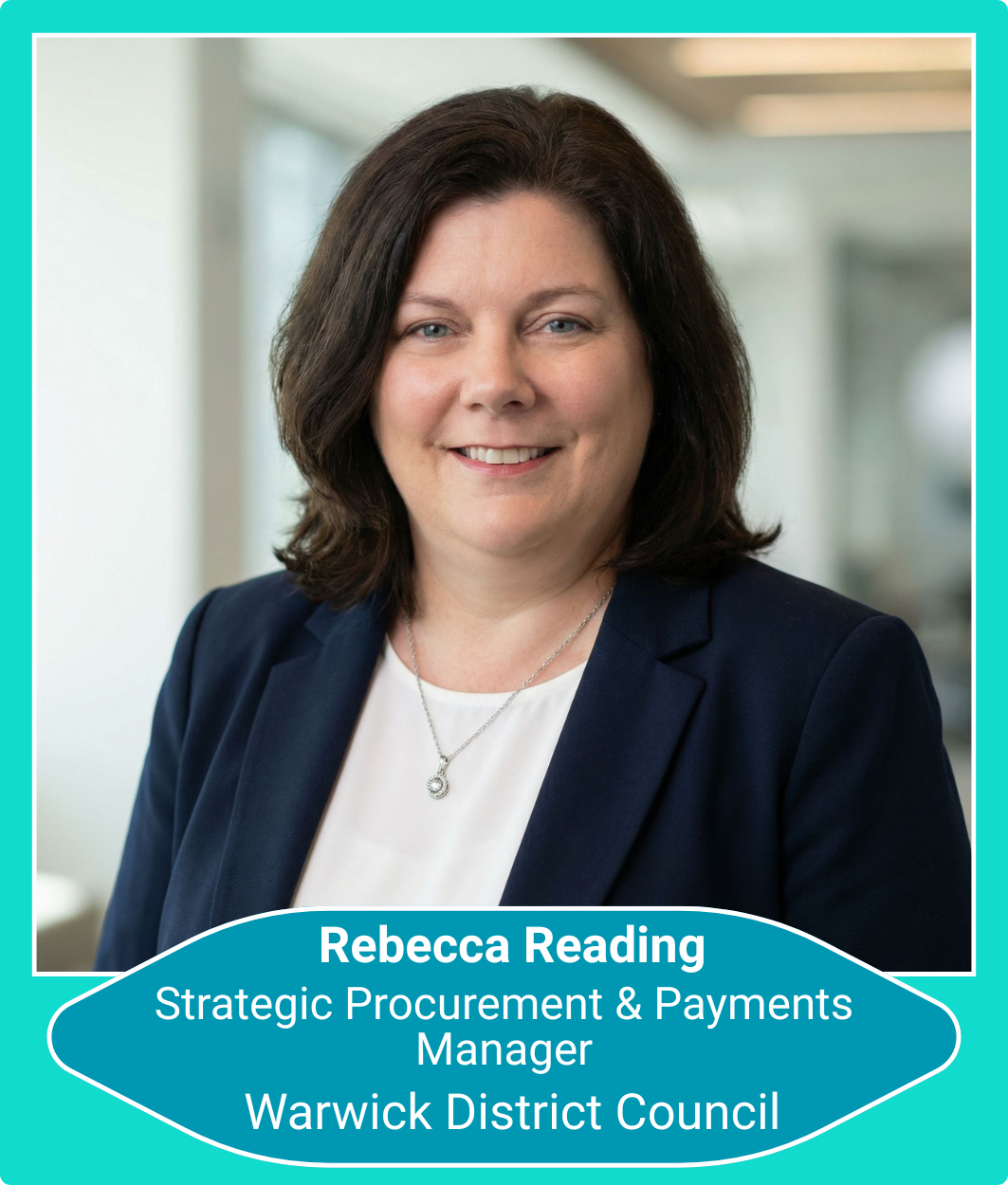
Rebecca Reading is leading a significant AI-enabled transformation of procurement within UK Local Government, focused on delivering measurable improvements across sustainability, cost efficiency, and social outcomes.
Under her leadership, procurement processes are being modernised through the structured application of AI and advanced data analytics. The work goes beyond process improvement, creating the foundations for technological innovation to be adopted more seamlessly across the wider public sector.
One example is an AI-enabled print procurement initiative that accelerated the decarbonisation of a key supply chain, achieving a 2030 Net Zero target within 12 months. This demonstrated how data-driven procurement can directly support environmental objectives while maintaining operational performance.
In parallel, AI and advanced analytics are being applied to the procurement of Temporary and Specialist Accommodation.
This initiative addresses long-standing challenges relating to compliance, cost, quality, and responsiveness. It supports vulnerable residents in accessing timely and appropriate housing, while significantly reducing financial and administrative pressures on the council.
These initiatives are now being consolidated into an AI-driven procurement platform designed for use across the public sector. The approach has the potential to unlock savings of more than £100 billion across the UK public sector while strengthening service delivery and wider public value outcomes.

About the entry
Lord Ranger of Northwood plays an active role in supporting the development of a strong, responsible, and sovereign UK AI ecosystem through sustained leadership and advocacy across Parliament and industry.
As Vice Chair of the All-Party Parliamentary Group on Artificial Intelligence (AI APPG), he contributes to ensuring that Parliament remains informed, engaged, and responsive to the rapid pace of AI innovation. He works to bridge policymakers, industry, and academia, translating complex technical developments into practical and forward-looking policy discussions.
In addition to his parliamentary work, Lord Ranger has been instrumental in the establishment of the British AI Alliance, creating a platform that brings together innovators, SMEs, researchers, and policymakers. This initiative provides a clear and credible voice for UK AI SMEs, ensuring that domestic innovators are represented alongside larger global organisations.
A consistent focus of his work is strengthening the UK’s sovereign AI capability.
He advocates for the development of domestic talent, infrastructure, and innovation, recognising their importance to national resilience, economic growth, and ethical leadership in AI.
Through these combined efforts, Lord Ranger continues to contribute to shaping the UK’s strategic approach to artificial intelligence and its long-term global position.
About the entry
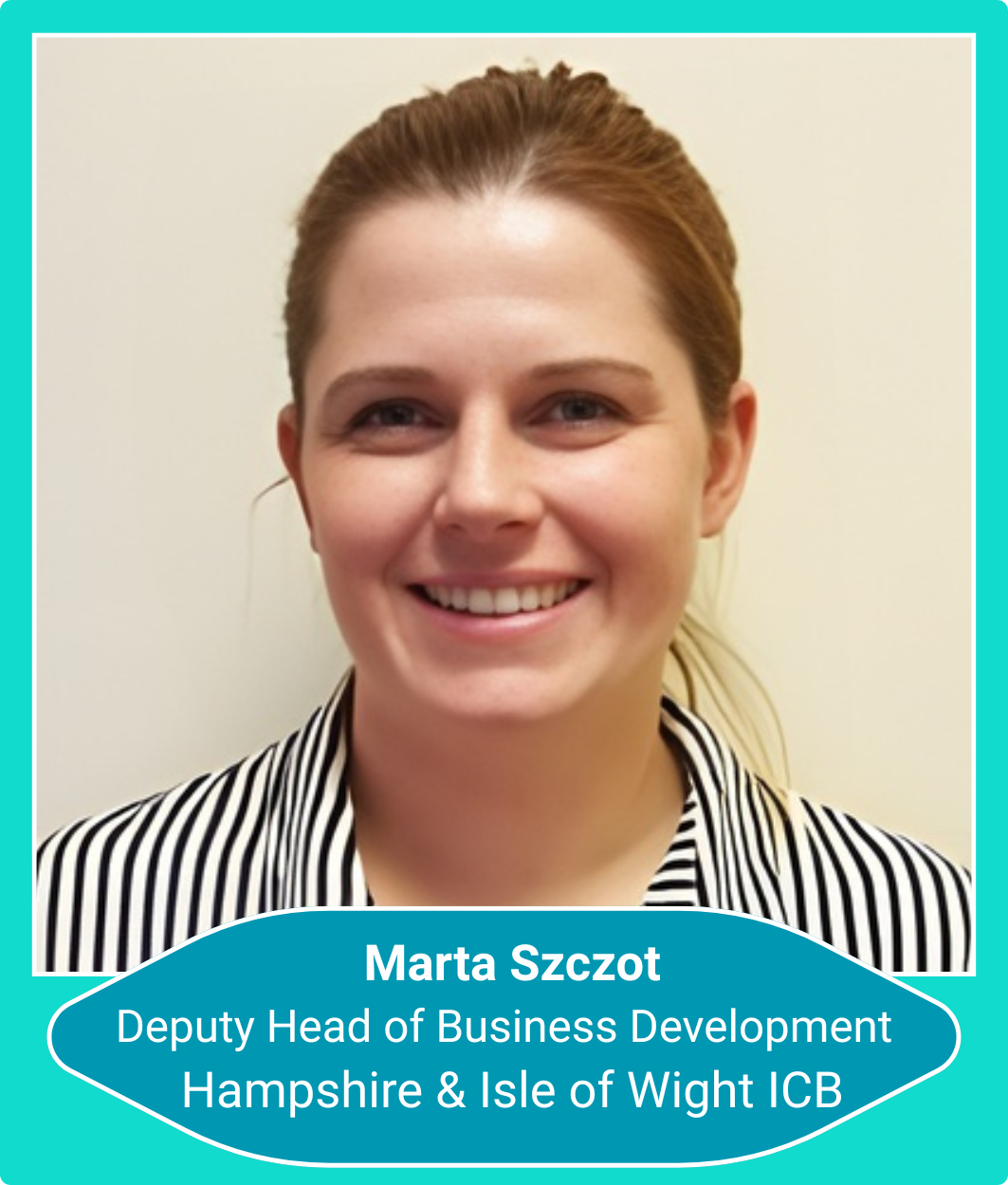
Marta Szczot has led the way in transforming how Hampshire and IOW Integrated Care Board (HIOWICB) All Age Continuing Care (AACC) service operates over the last few months.
At a time when resources are stretched and the service is under increasing pressure, it was imperative that new and innovative ways of working were implemented.
After scoping the issues and identifying potential solutions, Marta has enthusiastically engaged with staff and supported them to make improvements in business processes using automation technology.
We have seen huge improvements in both staff time and morale which is in turn impacting positively on our patients experience.
These initiatives have been so successful within AACC that other areas of the ICB are keen to engage with Marta and begin scoping how automation can be used to increase efficiencies in other areas.
Business Categories
AI for Financial Services & Economic Inclusion
About the entry
Fluence developed a proprietary AI system, built in-house in the UK and Switzerland, to improve risk management in regulated financial services where decisions must be accurate, explainable and accountable.
Financial institutions rely on extensive written material to assess risk, yet much remains underused. Fluence uses a latent semantics approach grounded in forensic linguistics to convert complex written content into quantified indicators linked to real-world outcomes, learning only from each organisation’s historical data and ensuring data sovereignty.
In specialty insurance, Fluence was deployed with a top-five Lloyd’s syndicate to analyse submission packs often exceeding one million words. In blind retrospective testing, the system pre-emptively flagged 8 out of 10 major losses that had previously passed manual review. This improved decision consistency, reduced time spent on low-quality submissions and enabled earlier identification of avoidable risk, while keeping underwriters fully in control.
The approach has been independently recognised, including winning AI Implementation of the Year by Insurance Insider and being selected for the Lloyd’s Lab accelerator.
This work matters because better risk assessment supports more efficient capital allocation, stronger financial resilience and fairer outcomes across financial services. By improving risk differentiation, the technology enables more accurate pricing and reduces broad risk-loading over time.

About the entry
The True Position, a UK start-up backed by global partners and Innovate UK, brings together foundational data models and agentic AI to drive unprecedented transparency in supply chains and financial services.
Leveraging a unique verification system powered by foundational data models, embeddings and multiple AI agents, with humans retained in the loop, we are building a new location asset identifier registry for physical asset claims. This innovation transforms procurement and investment by converting physical claims into tradeable truths, supporting people, the planet, and profit.
Our solution promises a fundamental systemic shift, linking the digital world directly to our planet. Moreover, our approach fosters inclusion by providing confidence in connecting those with limited access to technology, such as small producers in Africa, with global buyers and financial support, thereby bridging digital divides.
Supported by global corporations and designed for scalability and impact, our system ensures transparent, trustworthy interactions across industries while maintaining rigorous human oversight. We believe we exemplify responsible AI innovation, setting a new standard for ethical, inclusive, and transformative technology. Thank you for considering our submission.

About the entry
MDOTM Ltd applies explainable artificial intelligence within financial services to improve access, transparency, and outcomes across the investment and wealth management ecosystem.
As financial markets become increasingly complex, institutions face challenges in delivering scalable, personalised solutions while maintaining trust, regulatory compliance, and client understanding. These barriers can limit access to effective financial planning and long-term wealth creation.
MDOTM’s AI platform, Sphere, enables financial institutions and advisors to make data-driven investment decisions that are both adaptive and explainable. The platform transforms large volumes of market and economic data into clear, auditable insights, supporting enhanced portfolio construction, risk management, and personalised investment strategies across a broad client base.
This approach allows firms to serve underserved or lower-balance client segments more efficiently, without compromising governance or human oversight.
Responsible AI principles are embedded within Sphere’s design.
The platform prioritises transparency, accountability, and regulatory alignment, ensuring that investment decisions can be understood, challenged, and clearly communicated to end clients. Through this work, MDOTM Ltd supports financial institutions in scaling inclusion, strengthening financial resilience, and deploying AI as a trusted tool for long-term economic participation and growth.
AI for Enterprise Industry, Manufacturing & Supply Chain
About the entry
At EMC Engineering Group, we set out to revolutionize industrial reliability by embedding artificial intelligence into enterprise operations at scale.
Traditionally, maintenance relied on reactive or scheduled interventions, often leading to costly downtime and safety risks. By introducing and harnessing AI during COVID lockdowns to many industries that were critical to sustain UK economic sustainability and growth by introducing remote condition monitoring capabilities, shifting towards predictive resilience, enabling industries to anticipate and prevent failures before they occur, all remotely, in real time.
Our AI systems analyse vast streams of sensor data, performance logs, and operational workflows in real time. This allows us to detect anomalies, forecast equipment health, and optimise maintenance schedules across multiple facilities. The deployment was not limited to a single site, it scaled across diverse sectors including automotive, biomass plants, airports, aerospace, marine, food and beverage manufacturing, energy, hospitals, and many more proving its adaptability in very complex environments.
The measurable impact has been significant. Productivity increased through a 30% reduction in unplanned downtime, while maintenance costs fell by up to 25%, reducing the risks of COVID infections reported in these workplace by 70% due to its remote capabilities. Safety improved as AI monitoring flagged risks early, preventing hazardous incidents. Resilience was strengthened by extending asset lifecycles and ensuring supply chains remained robust.
This work matters because it demonstrates how AI can safeguard productivity, protect workers, and build sustainable industry. EMC Engineering Group’s achievement shows that AI is not just a tool, it is a catalyst for industrial transformation, economic growth, industry resilience, support to existing personnel and reinventing the industrial maintenance by providing a full solution.

About the entry
Big data, and AI algorithms is technical challenge, but how do we use this data, to combine to ensure the data, algorithms address the needs of stakeholders.
We propose novel approach to use AI, big data to innovate with data, and address stakeholders needs. This was done in collaboration with See,Sense smart bike lights, who collect data from lights and GPS devices, and representatives of Dublin’s councils, MOBY Bikes, digital innovation teams.
The challenges explored included: actively encourage young children to take up cycling; ensure that cycling infrastructure is regularly maintained, and designing and optimising cycle lanes/networks for safety and usability. We explored how sensor data and AI could support behaviour change, inform infrastructure management, and inspire new product and service ideas, including data dashboards.
A trialled and tested data-driven innovation process that combines stakeholder, needs with AI and Data
Supporting organisation to explored what types of data would be most informative for supporting decisions via dashboard and how these should be presented.
Approaches to combining sensors data with other sources combining data from multiple sources and technologies to address their specific needs, for example, cameras with intelligent lighting systems, vehicle sensors, cycling infrastructure image collection (all examples of AI video monitoring sensors), weather data, GIS and OpenStreetMap data, along with the data collected by See.Sense smart bike lights.
Approaches to combining sensor data withqualitative data provided by cyclist to provide insights
These concepts will now be taken forward by See.Sense to create prototype dashboards and presented back to the participating companies as part of an iterative design process informed by the challenges identified during the session.

About the entry
PXC has deployed AI at true enterprise scale, embedding it as core operational infrastructure rather than a series of isolated experiments.
PXC has built and operates more than 100 production AI agents on its instance of the Great Wave AI platform. These agents execute complex, multi-stage tasks ranging from staff guidance and decision support to agent-driven orchestration across multiple legacy systems.
Where information flows were previously joined manually by people, PXC now uses coordinated AI agents to retrieve, reconcile, and assemble data in real time. This shift has delivered a 55% reduction in average response times, a 40% increase in first-contact resolution, and an uplift in customer satisfaction of over 20%.
A clear example is Order Status Automation.
Account managers were previously handling 500–600 partner queries per month, each requiring checks across four disconnected systems following historic M&A activity. PXC deployed four retrieval agents connected to the underlying systems, with a fifth agent compiling a customer-ready response from a single order number.
This has significantly reduced manual workload, improved SLA compliance, and enabled faster, more consistent partner communications.
PXC has also automated statutory fault reporting, replacing engineer-led proforma reporting with AI-generated submissions. Reporting is now significantly faster, more consistent, and auditable, freeing skilled engineers to focus on resolving faults rather than documenting them.
This approach demonstrates AI deployed as an enterprise capability—scalable, integrated, and delivering measurable operational and customer impact across the organisation.
AI in the workplace and future of Work
About the entry
We set out to deliver Barnardo’s AI strategy with a clear ambition: build a confident, responsible, AI‑ready workforce by putting culture before technology.
From an understandably cautious starting point, we opened up cross‑charity conversations to surface concerns and create a transparent, trusted narrative. We backed this with practical governance, clear guidance and in‑house resources that put colleagues firmly in control.
Then we sparked a movement.
We launched a charity‑wide engagement programme that made AI real: immersive workshops, a champions network, tailored team sessions and hands‑on learning grounded in everyday work. Strong pre‑ and post‑launch communications, face‑to‑face support and a close partnership with Learning & Development ensured everyone could access AI learning in a way that felt safe and achievable.
Hackathons, Share & Learn showcases, C‑suite sponsorship and real use‑case demonstrations accelerated confidence and adoption. At every step, we worked with EDI, Information Governance and Sustainability to embed inclusion, accessibility, safety and ethics throughout.
The impact has been transformative. More than 1,000 colleagues have engaged in our change programme, and over 2,000 colleagues are already using Copilot — a number growing every week.
This is more than adoption.
It’s cultural change.
It’s responsible innovation at scale.

About the entry
DWP Ask, a generative AI-powered question-and-response tool, has been build to support front-line operational colleagues and improve the service offered to our customers.
This tool supports Work Coaches by finding accurate policy guidance from hundreds of internal documents. We evaluated the tool with a Test and Learn Phase in 30 job centres across Wales, involving around 570 Work Coaches in the testing. The Test and Learn Phase was an exemplar of how to iteratively develop AI tools.
The operational teams offered exceptional feedback – in particular that the digital team genuinely wanted to test and improve the tool. It was clear to them that this was not just a box-ticking exercise.
The digital team responded positively to the operational asks to ensure the tool worked best for Work Coaches in their very demanding roles. Following positive results from the Test and Learn Phase, highlighting the value of giving customers better information and the tool’s ease of use, we are exploring options for scaling the product further.
Ask’s ability to quickly find the relevant policy and guidance to better support the customer journey will be particularly important for improving the upskilling of newly onboarded work coaches.

About the entry
CaseNote is transforming the advisory workflow at Citizens Advice SORT by replacing burdensome manual documentation with intelligent automation. Utilising advanced LLMs, the platform performs real-time transcription and automatically generates structured case notes. Crucially, we prioritised safety by integrating ""AI Groundedness Metrics""—an automated quality assurance layer that instantly grades transcripts for factual accuracy and hallucinations, ensuring the advice record is as reliable as it is fast.
The operational impact is profound. In our initial pilot at Citizens Advice SORT, CaseNote saved 1478 advisor hours in just six months, freeing up capacity for an estimated 1962 additional client sessions.
However, the deepest impact is human. By reducing the average note-taking time from 32 minutes to just 81 seconds, we have liberated advisors from administrative fatigue. Advisors can now step away from their keyboards and focus entirely on the client, restoring empathy and active listening to the forefront of the advice process. CaseNote demonstrates that responsible AI does not just increase efficiency; it scales the capacity for human care.
AI Business leader of the Year

About the entry
As AI Implementation Manager at Unilink, I led the design and delivery of an organisation-wide approach to adopting artificial intelligence as a core workforce capability.
Rather than focusing on isolated tools or technical teams, I established a people-centred strategy that embedded AI responsibly across all business areas, aligning adoption with real work, clear objectives, and measurable outcomes.
AI is now used daily by teams across development, delivery, support, operations, and corporate functions to automate repetitive tasks, improve documentation and analysis, and enhance collaboration.
I introduced a structured capability framework and an annual AI Capability & Usage Survey to track progress, confidence, and impact, ensuring adoption was transparent, accountable, and continuously improved.
The results have been significant. AI adoption has grown from early experimentation to near-universal use, with daily usage embedded into workflows and average self-reported productivity gains doubling year on year.
Crucially, time saved through AI is being reinvested into higher-value activities such as planning, quality improvement, and learning.
This work matters because it demonstrates how responsible AI leadership can drive meaningful productivity gains while strengthening skills, trust, and collaboration across an organisation - shaping a sustainable future of work rather than short-term efficiency gains.

About the entry
David Schofield has led the development and scaling of explainable AI within regulated financial services, where commercial performance is closely linked to trust, governance, and accountability.
As Co-Founder & CEO of Fluence, he established a clear strategic direction: AI adoption in high-stakes financial decision-making must enable organisations to inspect, justify, and retain control over how decisions are supported. Under his leadership, the company moved away from black-box models and general-purpose language models, developing proprietary, in-house technology focused on explainability, auditability, and data sovereignty.
David has translated this technical foundation into measurable commercial outcomes.
Working directly with underwriting and risk leaders, he has overseen deployments of Fluence’s technology in live decision-making environments, supporting improved risk selection, operational efficiency, and capital allocation while maintaining human accountability. In blind retrospective testing with a leading Lloyd’s syndicate, the platform pre-emptively identified the majority of major losses that had previously passed manual review.
This approach to explainable AI has gained independent recognition, including Fluence receiving AI Implementation of the Year at the Insurance Insider Awards and selection for the Lloyd’s Lab accelerator.
Through his leadership, David Schofield has demonstrated how AI can be implemented responsibly within regulated markets, delivering measurable business value while reinforcing governance, resilience, and confidence in AI-supported decisions.
About the entry
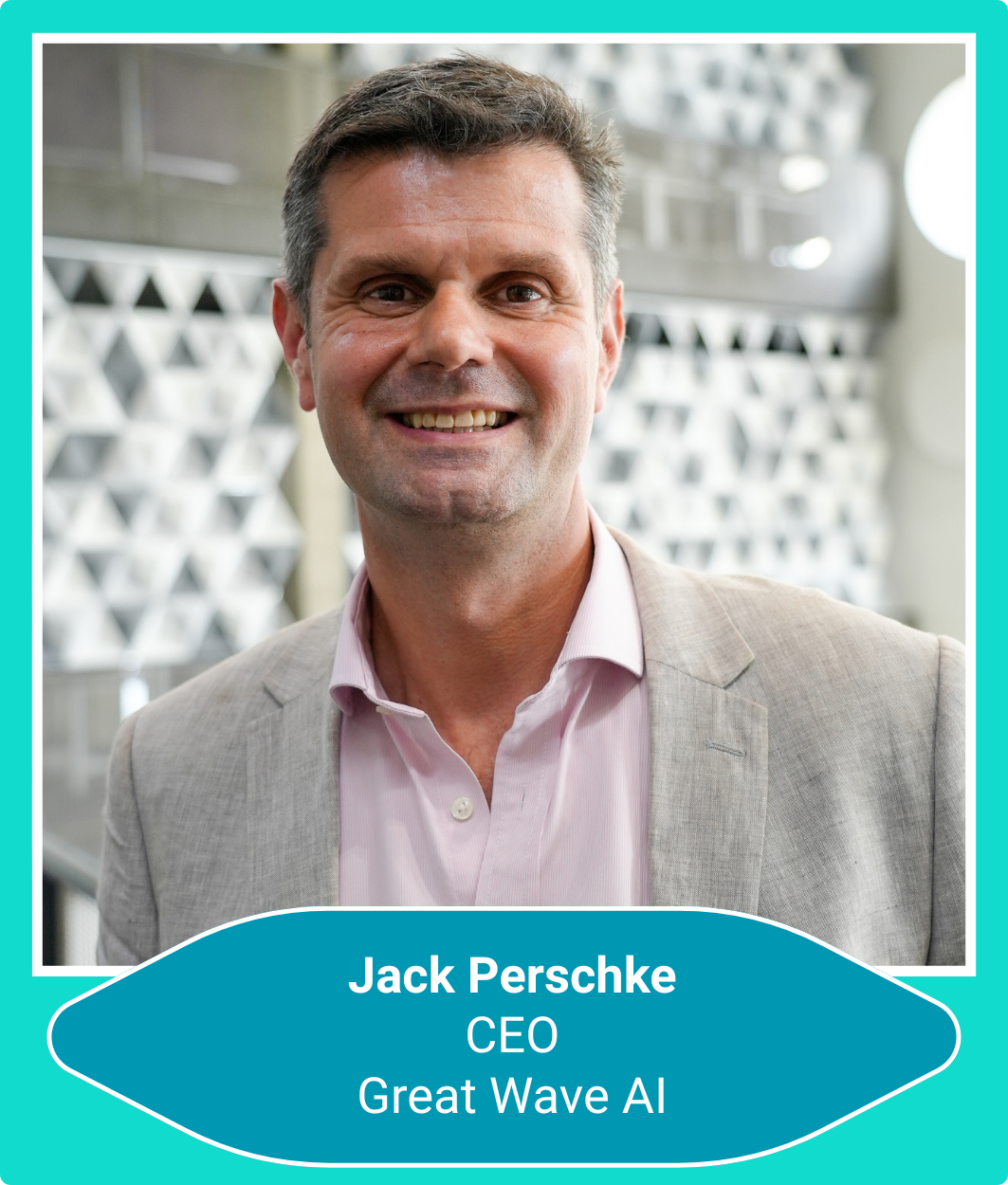
Jack Perschke leads the development and scaling of the Agentic Agents Programme through his role as CEO of Great Wave AI, focusing on removing key barriers to AI adoption in government and regulated industries — namely trust, control, and the ability to operate at enterprise scale.
Under his leadership, Great Wave AI has developed an independent agent-orchestration platform purpose-built for environments where security, auditability, and governance are essential.
The strategic emphasis has been on production-grade infrastructure rather than experimentation, enabling organisations to adopt generative AI rapidly and responsibly in contexts where innovation was previously constrained.
The platform now underpins enterprise-scale delivery across both public and private sectors, including organisations such as the UK Ministry of Defence and frontline charities including Carers West Sussex. Across these environments, AI initiatives have progressed beyond pilot stages into operational deployment with measurable impact.
Use cases include automating complex legal and investigative workflows for the Insolvency Service, modernising policing administration and citizen services at Warwickshire Police, and coordinating hundreds of AI agents across businesses such as PXC and Insight to replace manual information flows and improve speed, consistency, and customer satisfaction.
Since founding in November 2021, the company has grown to £1m ARR and reached a £20m valuation by 2026. This trajectory reflects a combination of technical direction and commercial discipline that has accelerated the safe and scalable adoption of AI across the UK economy.
Copyright © 2025 Digital Topics Ltd